

What Can Data Tell Us About Minds, Machines, and the Future?
Data for Thought explores how people and AI reason, predict, and make decisions. Through evidence reviews, original analyses, and sports forecasting, it shows what the numbers reveal, where they fall short, and how to make better decisions under uncertainty.
Featured Now
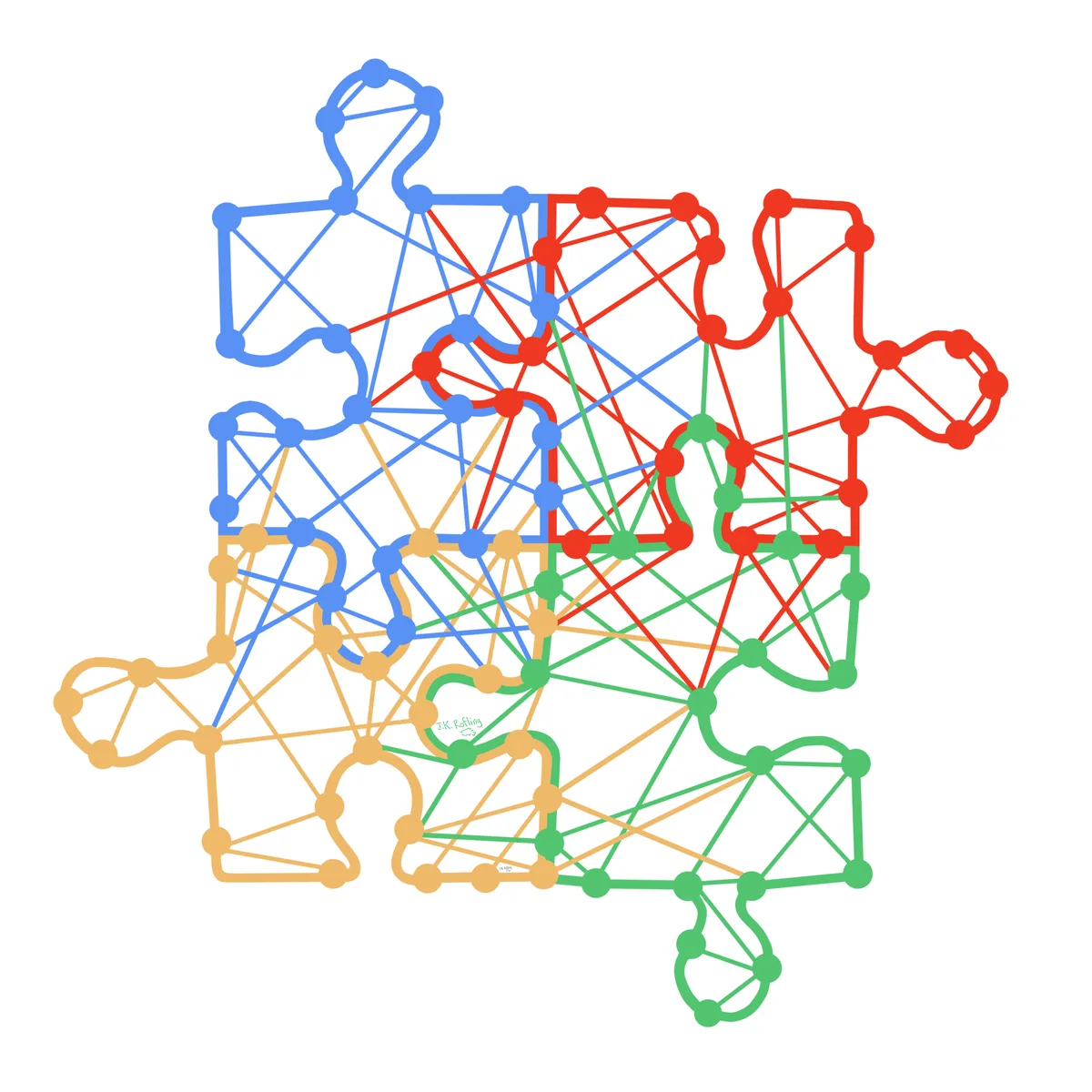
Does AI make you more productive?
Large gains on individual tasks have not yet translated into detectable economy-wide effects.
Data, Served Two Ways
The questions are different, but the approach is the same. Examine the evidence, show the reasoning, and communicate the uncertainty.
The Evidence Desk
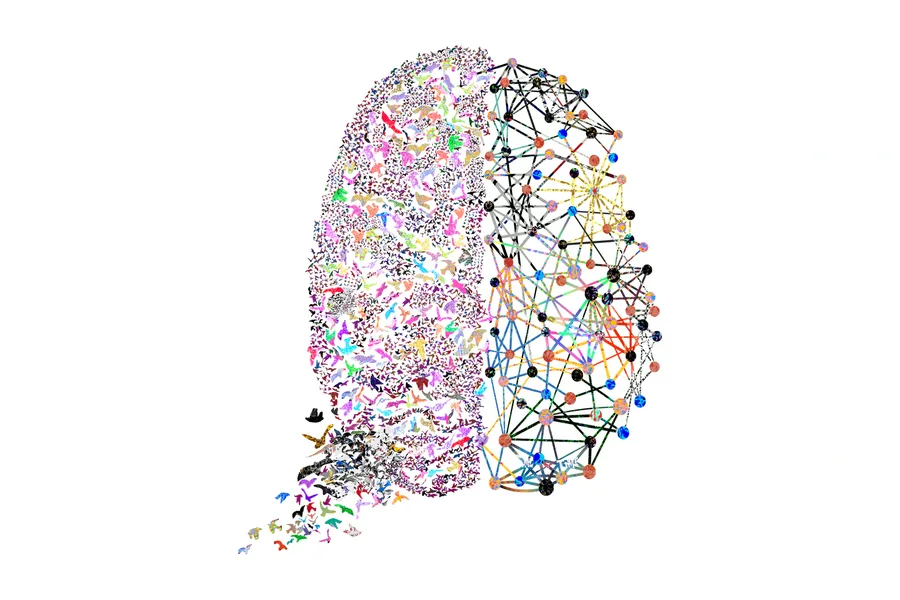
Claims about AI and cognition, checked against the primary research.
“AI erodes critical thinking.”

Sports Forecasts and Analyses
Forecasts and analyses that test what sports data can and cannot predict.
NWSL championship race
About Paul

Paul Thibodeau is a cognitive scientist and data scientist who turns complex questions into measurable ones. He spent a decade as a professor and has worked as a data scientist in industry. His work combines research design, statistical modeling, forecasting, and clear communication. He holds a PhD in cognitive science from Stanford and an MS in statistics.
Need help with research design, measurement, forecasting, or data communication? Work with Paul →